The Breathwork Guide
Five minutes of breathing a day can take the edge off stress, and it's free. Here's the pattern to start with, a timer that runs it, and every other practice, from box breathing to holotropic, on one map.
Updated November 15, 2026. 34 guide pages, 27 questions, 9 myths, from 278 published sources.

Breathe now Pick a pattern, press Start, follow the sphere
Two in through the nose, one long out
How well it's tested: moderate. In a month-long trial of 108 adults, five minutes a day lifted mood more than meditation and slowed their breathing the most. Source
Breathe in through your nose, sip in a little more on top, then let it go slowly through your mouth. Dizzy? Slow down.
Sitting or lying down. Never practice breathing exercises in or near water, or while driving.
What your session means, and what to do next
- Calmer than before. That's the practice doing its job. Do it again tomorrow, and give it four weeks.
- About the same. Normal for one session. Rate how you feel from 1 to 10 before and after each time, and judge it at four weeks. How to tell it's working
- Lightheaded, tingly or more anxious. You're breathing more air than you need. Breathe smaller, shorten any holds, or switch to six a minute. Why breathing exercises make you dizzy
No app needed for any of it. How to breathe better naturally has the free moves that come first, and the box breathing timer opens straight on the four-count.
Every kind of breathwork
Fewer, slower breaths with a long out-breath. Your heart slows on every breath out.
Carbon dioxide Steady
A count to follow, with holds. Something to do with your mind as much as your lungs.
Carbon dioxide Steady, a little higher on the holds
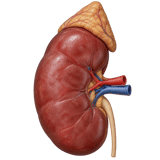
Rapid or forceful breaths in rounds. Carbon dioxide falls, adrenaline rises, and you feel wired.
Carbon dioxide Falls
Deep breaths with no pause, for half an hour or more, often to music. The big-experience sessions.
Carbon dioxide Falls, for a long time
Breathing less, holding longer, or training the breathing muscles. Carbon dioxide is allowed to climb.
Carbon dioxide Rises
Yoga's breathing practices, thousands of years old. Most are slow, two of them are fast.
Carbon dioxide Depends on the practice
The questions people ask
Where to start
 Does breathwork actually work?For stress and anxiety, a little. Pooled trials found small to medium drops. Most trials were small and not blinded, so give it four weeks before you judge it.
 How long should I do breathing exercises a day?Five minutes, every day, for four weeks. That's the dose that worked in the best trial. Doing it daily does more than doing it long.
 Is breathwork better than meditation?For mood, a bit, in the one trial that compared them. For anxiety they tied. Pick the one you'll do every day, and if sitting still is hard, breathe.
 What's the best breathwork app, and is there a free one?You don't need to pay to breathe slowly. The free timer here and the Apple Watch's Breathe sessions cover the basics. Paid apps add classes, music and variety.
- Where do I start with breathwork?Sit down, set five minutes, do cyclic sighing with the timer, and rate your mood before and after. Leave fast rounds alone until you know how your body reacts.
- Which breathing exercise is best for anxiety?Cyclic sighing, five minutes a day. It lifted mood more than meditation in a month-long trial. Six slow breaths a minute is next. Print the calm sheet.
The patterns
- Box breathing or 4-7-8: which is better?Box for daytime focus, 4-7-8 for bed. Neither has a big trial, and both run slower than six a minute. If you want the best tested pattern, do cyclic sighing.
- How do I do box breathing?Breathe in for 4, hold for 4, out for 4, hold for 4, for five minutes. It's easy to remember and fine for focus, but cyclic sighing did better in the trial.
- How do I do the physiological sigh?Breathe in through your nose, sip in a little more on top, then let it all out slowly through your mouth. One or two to reset, five minutes a day as a practice.
 How do you do Wim Hof breathing?Sitting or lying down only. 30 deep breaths, breathe out and hold until you need air, then one big breath held 15 seconds. Do 3 or 4 rounds, never in water or driving.
 How many times should I do 4-7-8 breathing?Four breaths at a time, at least twice a day, for the first month, as Dr. Weil teaches it. Later you can go up to eight. If you feel lightheaded, shorten the hold.
 What is coherent breathing, six breaths a minute?Five seconds in, five out, no holds. It's the pace where your heart rate rises and falls the most with each breath, and a personal rate didn't beat it.
Calm, panic and sleep
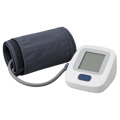 Can breathing exercises lower blood pressure?Slow breathing devices did no better than music in blinded trials. A stiff handheld breathing trainer, 30 breaths a day, did better. Never change a medicine over it.
 Can breathing exercises make anxiety worse?Yes, if you breathe too fast or too deep. The tingling and head rush feel like panic. Slow down, make the breaths smaller, drop the holds and lengthen the out-breath.
 How do I calm my nerves before a race or a big talk?Two or three slow sighs right before, and a minute of long out-breaths while you wait. Never fast breathing or breath holds before you swim.
 Which breathing exercise helps you fall asleep?A slow pattern with a long out-breath, five minutes in bed. People rate their sleep better after a month of it, but rings and sleep labs show much less change.
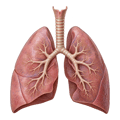
What it does to your body
- Is breathing through your nose better?Yes, for everyday breathing and slow practice. Your nose filters, warms and moistens the air and adds nitric oxide. Taping your mouth shut at night is another matter.
 Why do I feel dizzy after breathing exercises?Usually you breathed more air than you needed, or held too long. Sit down and breathe normally. Next time keep the pace, make the breaths smaller and shorten the holds.
 Why do my hands tingle when I breathe fast?You blew off too much carbon dioxide, which makes your nerves fire too easily. Slow down and make your breaths smaller, and it fades as your breathing settles.
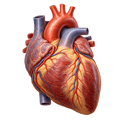 Why does a long exhale calm you down?Your heart slows a little on every out-breath, so a longer out-breath gives it longer to slow. In a lab test at the same pace, a long out-breath also felt more relaxing.
Safety
 Is holding your breath bad for you?Short, comfortable holds sitting down are fine. Long holds after fast breathing can make you black out without warning, which is why water is off limits.
- Is Wim Hof breathing safe?Only sitting or lying down, never in or near water or driving. Its own FAQ says skip it if you're pregnant or have epilepsy, heart disease or blood pressure medicine.
 What is 9D breathwork, and is it safe?A branded session of connected breathing with nine layers of sound in headphones. PubMed had no study of it in November 2026. The fast breathing safety rules apply.
Your numbers
- Does breathwork raise my HRV?During the session, a lot. Your morning HRV, probably not. It didn't rise after a month of daily practice in two trials. Judge it by your mood instead.
- How many breaths a minute is normal?12 to 18 for an adult at rest, by the Cleveland Clinic's range. Count yours with the breath counter. Slow practice at 3 to 6 a minute is a different thing.
- What's a good BOLT score?Over 20 seconds is moderate and over 40 excellent on Gyroscope's coaching bands. They aren't clinical cutoffs, and the score didn't track fitness in elite skaters.
- Why is my breathing rate up on my ring or watch?Compare it with your own normal. A jump of a breath or two a minute often comes with getting sick, a fever, altitude, a hot room or the second half of your cycle.
Myth or fact?
 Not the way you think
Take a deep breath to calm down
 No
Breathing hard floods your body with oxygen
 No
Tingling hands mean the breathwork is working
 Sort of
Box breathing is the best breathing exercise
 No
You need to find your own resonance rate
 No
Taping your mouth at night makes you breathe better
Quick tools
Box breathing timer
In 4, hold 4, out 4, hold 4. Press Start and follow the sphere for 1 to 10 minutes.
How fast is your pattern?
Seconds for each phase in. Breaths a minute, the out-breath against the in-breath, and how long a set takes.
What's your breathing rate?
Tap once per breath for 30 seconds. Your rate, and where it sits for a resting adult.
How long is your comfortable hold?
The BOLT test: a calm hold after a normal out-breath, timed and placed on the coaching bands.
Which slow pace feels easiest?
About a minute each at 6.5 down to 4.5 breaths a minute. Keep the one that feels easiest.
The calm sheet
One printable page: the patterns for anxiety, how long to do each and the trial behind it.
The guide
 Everything you need to know
What is breathwork? Every type, and what each one does
Breathing on purpose to change how you feel. Every type keeps carbon dioxide steady, drains it or lets it build. The whole field on one map, and who should skip what.
 Part 1How to breathe better naturally, with no app or gadgetYour body runs every breath and even sighs for you. Nose by day, moving most days, a slow sigh when stress hits and no smoke do the most, and all of it is free.
 Part 2Who should skip which breathing exercises?Never do fast rounds or long holds in or near water or at the wheel. Skip them if you're pregnant or have epilepsy, heart disease or blood pressure you take medicine for.Part 3Which pattern should you do?Cyclic sighing first. Six a minute if you hate holds, box or 4-7-8 if you like a count. Each pattern's pace, the trial behind it, and who should skip it.
 Part 4How long, how often, and how to tell it's workingFive minutes a day, sitting down, for four weeks, rating your mood before and after. Your morning HRV may not move, and that's normal.
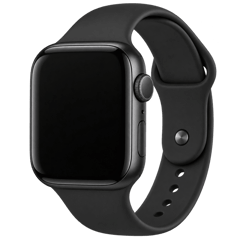 Part 5What to watch on your ring or watchHRV jumps during a session and barely moves in the morning. Judge your night breathing rate against your own usual, and keep session numbers apart from your nights.
The science
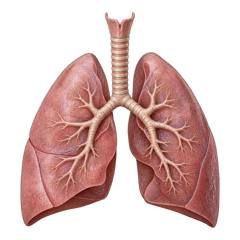 How breathing changes your bodyBreathing is the one automatic system you can steer by hand. Carbon dioxide drives the urge to breathe, your brainstem keeps the beat and your heart follows every breath. Why carbon dioxide runs your breathingYour brainstem tracks carbon dioxide and the acid it makes, breath by breath. The oxygen sensors in your neck only push hard once oxygen has fallen a long way.
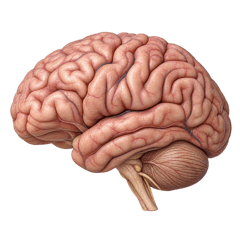 Where does your breathing rhythm come from?A small cluster of nerve cells in your brainstem, found in 1991, fires every breath and turns about 12 an hour into sighs. You can take over, but you can't switch it off.
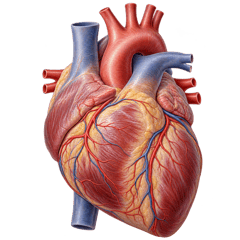 Why does slow breathing calm your heart?Your heart speeds up on every breath in and slows on every breath out, and near six breaths a minute that swing gets biggest. A long, slow out-breath presses the brake.
 What happens in a fast breathing session?Wim Hof rounds and holotropic sessions blow off carbon dioxide. That causes the tingling, the cramping hands and the head rush, and it's why people pass out on the hold.
 What happens when you hold your breath?Carbon dioxide builds, your diaphragm twitches and a reflex forces the next breath, usually while oxygen is still near normal. Breathe fast first and that order flips.