Why do my hands tingle when I breathe fast?
You breathed out carbon dioxide faster than your body makes it. With less carbon dioxide in your blood, your nerves get jumpy and start firing on their own, which you feel as pins and needles in your fingers, lips and face. Slow down, make the breaths smaller, and it fades as your breathing settles.
In fast breathing classes and Wim Hof videos, the tingling gets treated as a sign the practice is working, like the burn in a workout. It’s a side effect of low carbon dioxide. It shows you’ve breathed off more than your body needed, and it tells you nothing about whether the session is doing you any good.
What we’d do
If your hands tingle during a slow pattern, your breaths are too big. Keep the pace and make them quieter. During fast rounds, expect it, stay sitting or lying down, and stop if your hands start to cramp. If tingling comes on when you aren’t doing anything to your breathing, tell a doctor.
What’s going on in your nerves
Carbon dioxide does a job on its way out, since it helps keep your blood at the right acidity. Breathe hard for a minute and you blow off a lot of it, and your blood turns slightly less acidic. The Merck Manual calls this respiratory alkalosis and lists what comes with it. You get lightheadedness, pins and needles in the hands and around the mouth, cramps, and sometimes fainting.
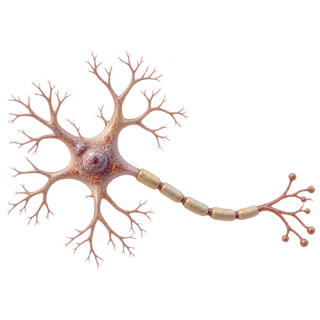
The tingling comes from your nerves. In a 1991 study, six volunteers breathed hard on purpose while researchers measured how easily the nerves in their arms fired. As carbon dioxide fell, the nerves became more excitable, firing more easily than normal. Tingling showed up in the hands, face and body once carbon dioxide had dropped about 20 mmHg.
Low carbon dioxide works on your nerves like turning a microphone’s sensitivity all the way up. It starts picking up signals that aren’t there, and you feel them as buzzing.
Why hands can cramp into a claw
Push it further and the same jumpy nerves fire the muscles too. The Merck Manual describes the hands and feet cramping in severe cases (doctors call it carpopedal spasm) because there’s less free calcium in the blood, and calcium is part of what keeps nerves calm. The fingers curl and stiffen into what breathwork classes call lobster claws.
How fast it goes away
The Wim Hof method’s own page says the tingling will pass “as you resume regular breathing”. Breathe normally, or slowly through your nose, and your body builds its carbon dioxide back up. If it doesn’t fade, or it keeps happening without fast breathing, that’s a question for a doctor.
The Cleveland Clinic lists the same symptoms for hyperventilation, and says that if it’s happening to you for the first time, you should get medical help right away.
More on the belief behind it is in tingling means it’s working, and on what fast rounds do in what happens in a fast breathing session.
Why carbon dioxide runs your breathing has the chemistry, with a chart of how far your blood moves.
4 sources
- Merck Manual Professional Version, Respiratory alkalosismerckmanuals.com
- Cleveland Clinic, Hyperventilationmy.clevelandclinic.org
- Macefield G, Burke D, Paraesthesiae and tetany induced by voluntary hyperventilation: increased excitability of human cutaneous and motor axons, Brain, 1991pubmed.ncbi.nlm.nih.gov
- Wim Hof Method, Breathing exercises, checked 2026-11-14wimhofmethod.com